

Digital design tools have become essential for modern printing businesses. They simplify workflows, enhance design quality, and improve production efficiency. Understanding how digital tools integrate with DTF systems allows business owners to optimize operations, maintain high-quality output, and meet customer expectations consistently.
What You Need to Know About DTF Transfer Technology
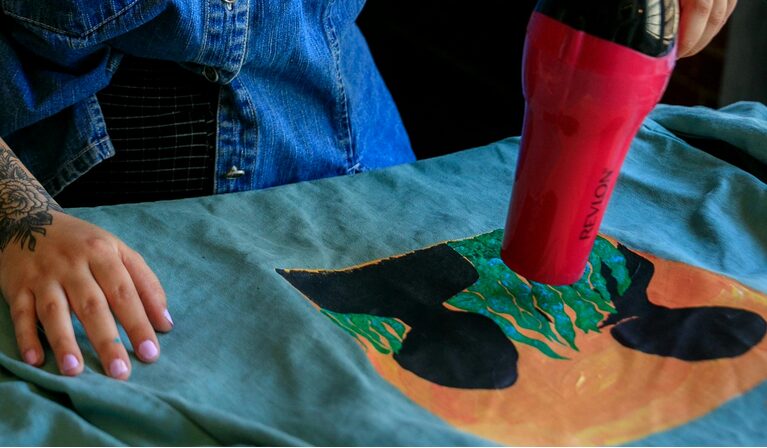
For those using EazyDTF dtf transfers, know that these tools play a pivotal role in turning creative ideas into tangible products. This method allows for vibrant, durable prints on various textiles. DTF systems offer flexibility in design placement, color richness, and fabric compatibility. Integration with digital design tools makes it easier to manage complex artwork, streamline production, and ensure consistent results. Without proper design integration, even high-end DTF equipment cannot achieve its full potential.
The Role of Digital Design Tools
Digital design tools, such as Adobe Illustrator, CorelDRAW, and Photoshop, allow designers to create precise and scalable artwork. These programs handle vector graphics, raster images, and color management effectively. For DTF printing, maintaining resolution and color accuracy is critical. Designers can experiment with layers, textures, and effects while ensuring the final output matches expectations. The use of these tools provides a unique advantage in delivering high-quality designs that translate seamlessly onto fabric.
Artwork for DTF Printing
Artwork preparation is a critical step before printing. Digital tools allow designers to adjust dimensions, refine colors, and manage file formats compatible with DTF printers. Prepress adjustments such as adding underbase layers or separating color channels can improve print vibrancy and durability. Proper preparation ensures that every transfer produces consistent and professional results. Neglecting this step can lead to wasted materials and increased production costs.
Color Management and Consistency
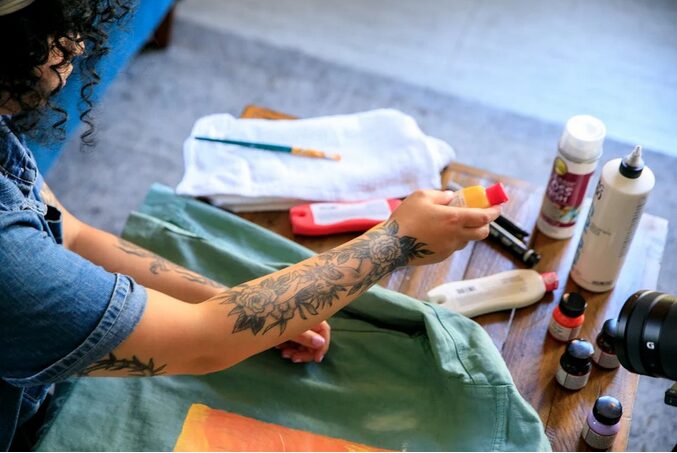
Color consistency is a major challenge in any printing process. Digital design tools integrate with color calibration systems to match on-screen colors with printed output. This ensures that the final product looks exactly as intended. DTF systems rely on precise ink formulations and layering techniques, which require accurate digital guidance. Maintaining consistent colors across multiple orders helps build brand credibility and customer satisfaction.
Streamlined Workflow and Automation
Integration between digital design software and DTF printers allows for more efficient workflows. Many tools can directly interface with printer drivers, enabling automated layout adjustments and batch printing. This reduces manual errors and speeds up production. Automation also allows businesses to scale operations without compromising quality. The combination of smart software and DTF hardware creates a seamless production environment.
Enhanced Creativity and Customization
Digital design tools provide endless opportunities for customization. Designers can create personalized designs for individual customers or limited-edition products. With DTF transfers, even complex gradients, textures, and photographic images can be accurately reproduced. This capability gives brands a competitive edge by offering unique products that stand out in the market. Creative freedom is maximized while maintaining production efficiency.
Troubleshooting and Quality Assurance
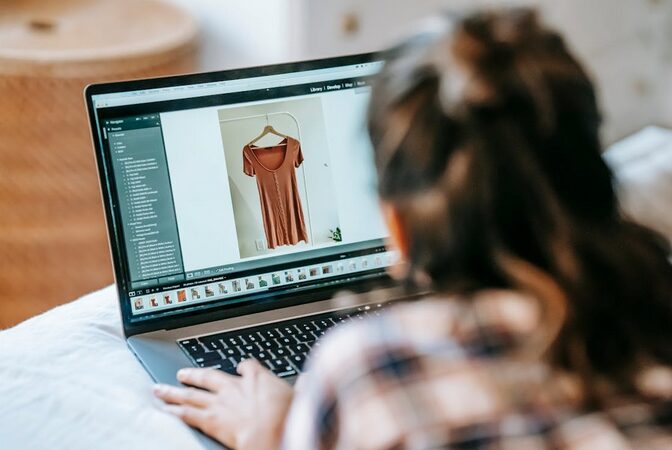
Digital tools also aid in quality assurance. By previewing prints, simulating colors, and checking alignment, designers can catch potential issues before production. Adjustments made digitally prevent costly errors on actual transfers. Consistent quality control is critical for maintaining customer trust and ensuring repeat business. It also allows businesses to uphold their reputation in a competitive custom printing market.
Future Trends in Integration
The integration of digital tools and DTF systems continues to evolve. New software features, AI-assisted design suggestions, and cloud-based collaboration are transforming the workflow. These innovations help businesses manage remote teams, handle large volumes of orders, and maintain design accuracy across multiple locations. Staying updated with these trends allows brands to remain competitive and adaptable in a rapidly changing industry.
Digital design tools and DTF transfer systems work hand in hand to produce high-quality custom apparel. Proper integration ensures precision, efficiency, and consistent results. From artwork preparation and color management to workflow automation and quality assurance, digital tools enhance every step of the process. For businesses using DTF printing, leveraging these technologies effectively provides a unique advantage, reduces errors, and supports creative flexibility.