
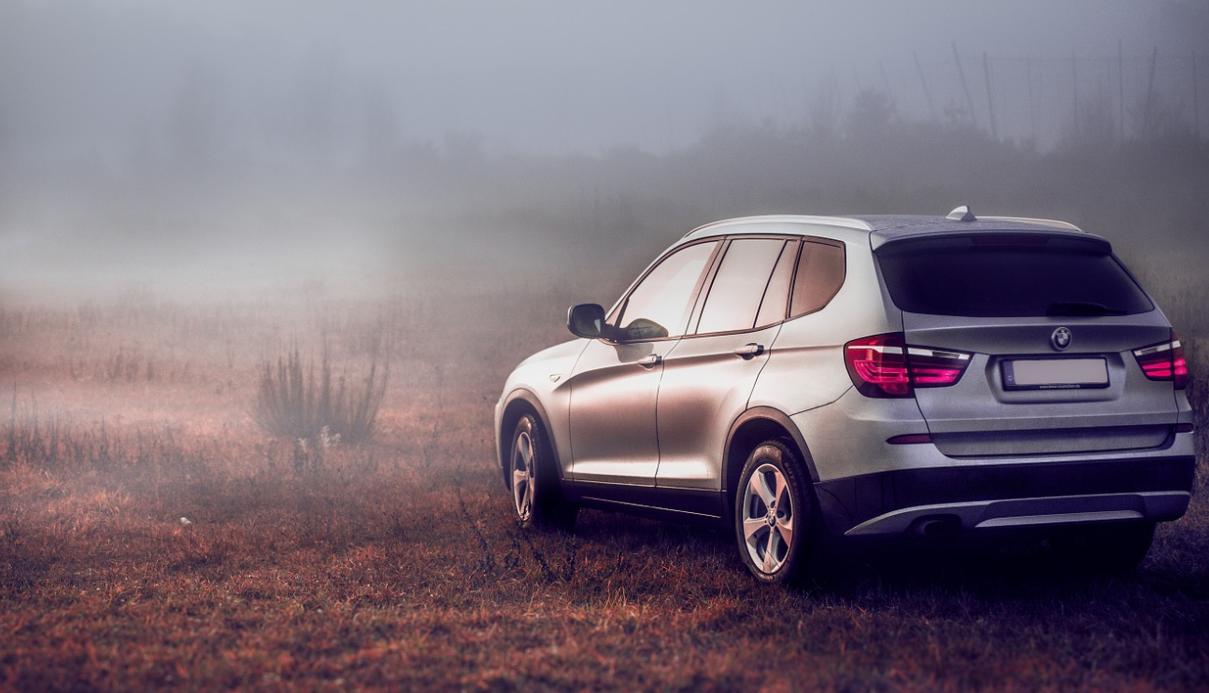
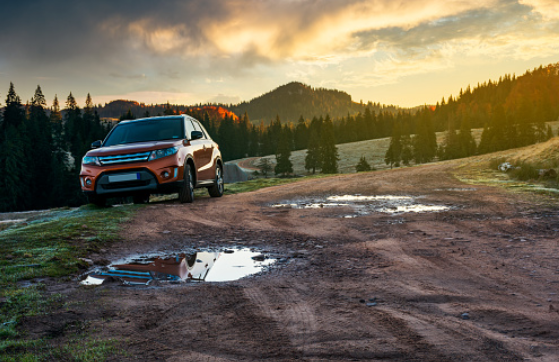
There are more than 80 models of SUVs available in society these days. If you want to buy one, it would be better to evaluate some aspects. Then, you have to will see an entry-level or luxury model. If you are going to choose the luxury type, it would be okay if it is towing with a ford explorer or not. The perfect SUV is not about what your wallet can afford but how comfortable you feel driving it. Before you sign a contract to buy an SUV, be sure to take a test drive. You should take the SUV off-road if you want to test its functionality. Therefore, you can determine your choice thoroughly.
Dealership
Research is the first step in buying an SUV. It is crucial to be prepared to go to the dealership. Otherwise, salespeople will try to sell you something you don’t need. You can find out what options and extras you need before you look at a car. Read consumer magazines, check automotive forums and ask your friends. Once you have done your research and have an idea of what you want, you can start looking for a car.
Models and Types
 It is essential that you feel comfortable with your SUV. There is a wide range of models to choose from, so there is no reason to settle for a car you don’t like. Ask lots of questions about safety features and fuel economy. You can ask the salesman for the information you want, but he may not be able to give it to you.
Sport Utility Vehicles
SUVs are apparent in the United States. SUVs offer ample space and are suitable for all types of surfaces and road conditions. These SUVs are ideal for busy families who need to be on the road a lot. To buy the best SUV for your family, you need to be aware of the problems that can come with an SUV.
Potential Problems
When buying an SUV, fuel economy is always an issue. The average SUV uses 33% less fuel than a passenger car, making the vehicle more expensive. If you drive 15,000 miles a year and the gas is $1.15 a gallon, you’ll spend $420 more a year on gasoline. SUVs can also tip over in an accident. Because SUVs weigh more than regular vehicles and are heavier than passenger cars, they are more likely to tip over than other vehicles. It has led to more deaths in crashes involving SUVs than in those involving passenger cars.
Safety Aspect
 The National Highway Traffic Safety Administration study revealed that rollovers were responsible for 37% of SUV fatalities. It compared to only 15% for passenger cars. Because of the increased safety, higher maintenance costs, and increased popularity of SUVs, insurance rates tend to be higher. One survey revealed that SUV owners pay between 5% and 19% more for auto insurance because they own an SUV.